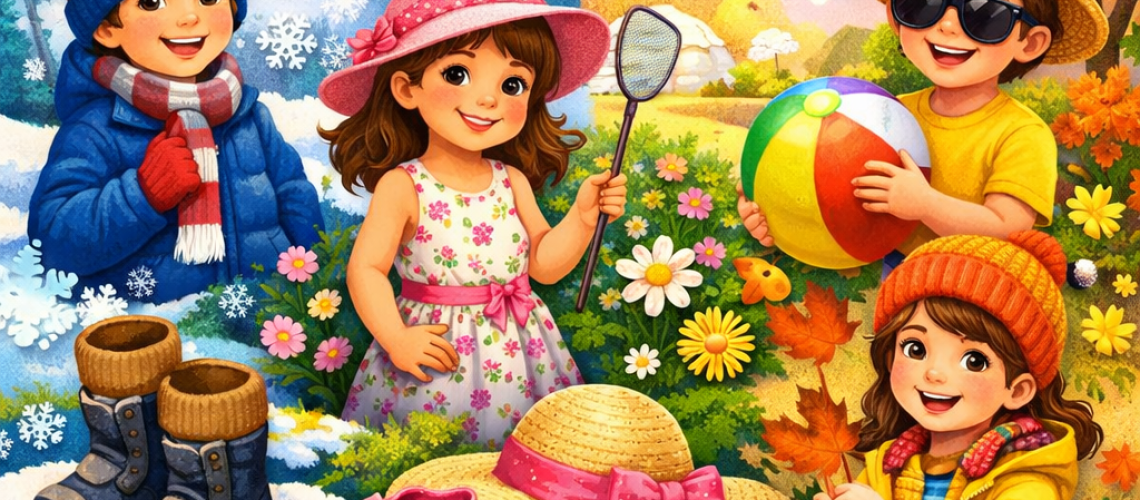
When it comes to dressing your little ones, the process isn’t just about picking out cute outfits—it’s about making sure they are comfortable, stylish, and properly suited for the weather. Kids’ clothing should reflect not only their personalities but also offer the right kind of functionality for each season. Choosing the best kids’ apparel for every season requires thoughtful consideration of fabric, fit, durability, and the ease with which they can move. In this article, we’ll walk through the best tips for choosing kids’ clothing that will keep them cozy, safe, and stylish all year round.
- Understand the Importance of Seasonal Fabrics
The most important aspect to consider when choosing kids’ apparel for each season is the fabric. Different fabrics provide different benefits, and selecting the right one ensures your child is comfortable in any weather.
- Spring: As the weather begins to warm up, opt for lightweight and breathable fabrics like cotton and linen. These materials are ideal because they allow air to circulate, which keeps your child cool. You’ll also want to look for moisture-wicking properties to combat the warmer temperatures and any potential sweat. Cotton dresses or T-shirts paired with leggings are ideal for spring.
- Summer: For those hot summer days, clothes made from cotton, chambray, or cotton blends work well. These fabrics are light, breathable, and absorb moisture, helping to keep your child cool and comfortable. Avoid thick, heavy fabrics like denim, as they can cause your child to overheat. Look for short-sleeved shirts, shorts, and airy dresses that allow for plenty of airflow.
- Fall: Fall calls for layering, and the key here is versatility. Look for soft, cozy fabrics like wool blends, cotton fleece, or cotton-polyester mixes. These fabrics are warm enough to keep your child cozy without making them overheat when temperatures rise during the daytime. You’ll also want to think about adding jackets, cardigans, and scarves that can be easily taken off when the temperature changes.
- Winter: During the colder months, the priority is warmth. Fabrics like wool, fleece, and flannel are perfect for trapping heat and keeping your little one comfortable in chilly temperatures. You’ll want to focus on items like insulated coats, heavy sweaters, thermal leggings, and hats to protect your child from the elements. Additionally, layering is key during the winter, so investing in good base layers like thermal tops and bottoms is essential.
- Comfort is Key: Pay Attention to Fit
While style is important, comfort is essential for kids’ clothing. Children are always on the go, and their clothes should allow them to play, run, and move freely without restriction. Look for clothing with stretchy fabrics like spandex or elastane, which provide flexibility and freedom of movement. Always ensure the size is appropriate, allowing for room to grow but not so oversized that it hinders movement.
- Avoid Restrictive Designs: Avoid clothing with tight waistbands, constricting sleeves, or stiff collars. These can be uncomfortable and make it difficult for your child to enjoy their day.
- Consider Adjustable Features: Many kids’ clothes now come with adjustable waistbands, cuffs, or straps. These features allow you to customize the fit, which is especially helpful as your child grows quickly.
- Room for Layers: During transitional seasons like fall and spring, layering is an essential practice. Be sure to select items with enough room underneath to allow for layering a jacket or sweater without being too bulky.
- Durability Matters
Kids are active and their clothes go through a lot of wear and tear, so durability is a major factor when selecting clothing for every season. Look for clothes that are sturdy and well-constructed but still comfortable. Durable fabrics like denim, corduroy, and reinforced cotton are great choices for both school and outdoor play.
- Reinforced Knees and Elbows: Look for pants, shirts, and jackets that have reinforced areas like knees and elbows. These additions help ensure that clothing holds up even during active play. Durable stitching and high-quality zippers also add longevity to the clothing.
- Avoid Fads: While trendy clothing can be tempting, it’s often made with thinner, more delicate materials that don’t stand up well to frequent washing. Stick to timeless, durable fabrics that will last longer.
- Dress for the Occasion
The purpose of your child’s clothing should also dictate your choices. Different occasions require different outfits, and it’s important to keep your child’s activities in mind when shopping.
- Playtime: Choose practical, easy-to-move-in clothes for everyday play. Elastic waistbands, stretchy pants, and comfortable shirts are a must for active children. Activewear brands often design clothing specifically for comfort and movement, and you can easily find a mix of form and function with clothing designed for sports or outdoor activities.
- Special Events: For more formal occasions like family photos or a special gathering, you may want to select clothes that are more dressy but still comfortable. Look for dresses with soft linings or shirts with stretchy necks for boys. Opt for colors and patterns that match the season, such as soft pastels for spring or rich jewel tones for fall and winter.
- School Days: School clothes should be easy to care for, comfortable, and practical. Many kids spend a lot of time sitting in desks, so it’s important to pick fabrics that will allow them to focus on their work, not their clothing. Choose fabrics that don’t wrinkle easily, like poly-cotton blends, for easy maintenance.
- Prioritize Safety and Practicality
Especially for younger children, safety and practicality should be a top priority. Avoid clothes with long strings, tassels, or embellishments that could present choking hazards or get caught in equipment or play structures. Instead, opt for simple designs that are easy to pull on and off, such as T-shirts, pull-on pants, and button-down shirts with soft buttons.
- Slip-resistant Socks: In addition to keeping clothing practical, make sure your child is safe while walking, running, or climbing by choosing socks with slip-resistant soles, especially in slippery indoor settings.
- Easy Fastenings: Look for clothes with Velcro straps, easy-to-pull zippers, or simple buttons. These are particularly useful for younger children who may not yet have mastered buttons and zippers, but they still need the independence to dress themselves.
- Make Room for Growth
Kids grow fast! This is a universal truth that every parent knows. When shopping for kids’ apparel, keep this in mind, and always buy a size larger to account for growth spurts. However, don’t overdo it—too much extra fabric can make clothes uncomfortable or even unsafe.
- Check for Adjustable Features: As mentioned earlier, adjustable waistbands, cuffs, and straps are key to getting the most use out of your children’s clothes. Many brands now design clothes with these adjustable features to ensure a longer lifespan.
- Buy Versatile Pieces: Opt for pieces that can be layered or worn throughout multiple seasons. A light jacket that can be worn during both fall and spring or a sweater that can be worn under a winter coat helps extend the wear of seasonal clothing.
- Stay On Budget
While it’s tempting to splurge on clothes for your little ones, it’s important to stick to a budget. Kids’ clothing doesn’t have to be expensive to be functional or stylish. Shopping smart is about finding the right balance between quality, durability, and cost.
- Shop Off-Season Sales: Stock up for next season by purchasing clothing during off-season sales. Many stores offer discounts at the end of each season, allowing you to purchase items for the following year at a fraction of the price.
- Hand-Me-Downs and Secondhand Options: Hand-me-downs can be a great option for saving money, and many consignment stores or online secondhand retailers offer gently used kids’ clothes that are still in excellent condition.
- Focus on Timeless Styles: Stick with classic styles and neutral colors that are always in style. Avoid too many trend-based purchases, as these can be worn out more quickly.
Conclusion
Choosing the best kids’ apparel for every season involves thinking beyond just the look of the clothes. Comfort, fabric choice, durability, and practicality should all come into play when making decisions. With the right choices, you can ensure that your child stays stylish, comfortable, and safe throughout the year, no matter the season. By following these tips, you’ll not only make your child’s wardrobe more functional but also ensure that your investments last longer and grow with them.
Today’s Happy Kids